

Dr. Bonnie L. Baehr, Au.D. (Doctor of Audiology) — Audiologist and Founder, Beverly Hills Hearing Center, Beverly Hills, California. Dr. Baehr founded Beverly Hills Hearing Center in 1983 and prior to that practiced at the House Ear Clinic in Los Angeles as a staff audiologist for seven years, where she was involved with diagnostic testing, hearing aid evaluations, research, and rehabilitation. She completed her clinical fellowship training at the Veterans Administration Outpatient Clinic in downtown Los Angeles. Dr. Baehr is a member of the American Academy of Audiology, the American Speech Language and Hearing Association, the California Academy of Audiology, and the Academy of Doctors of Audiology.
Latest posts by Dr. Bonnie L. Baehr, Au.D. (see all)
- Advanced Hearing Mapping Techniques - September 1, 2026
- Understanding the Impact of Noise Pollution on Hearing Health - August 31, 2026
- How to Maintain Hearing Health in a Noisy World - August 17, 2026
Noise has become part of everyday life. People hear traffic during commutes, music in stores, construction outside buildings, and alerts from electronic devices throughout the day. While many sounds may seem harmless, constant exposure to loud environments can gradually affect hearing health.
Protecting hearing is important for people of all ages. Healthy hearing supports communication, learning, relationships, and safety. In a world filled with noise, understanding how to care for hearing can help reduce the risk of long-term damage.
Common Sources of Dangerous Noise
People often associate hearing damage with factories or concerts, but loud sounds are present in many everyday settings. Some common examples include:
- Heavy traffic and public transportation
- Lawn equipment and power tools
- Sporting events and movie theaters
- Headphones were played at high volume
- Restaurants with loud background noise
Even short periods of intense sound can affect hearing. Fireworks, sirens, and loud music events may expose ears to dangerous sound levels within minutes.
Children and teenagers also face growing risks because of frequent headphone use. Listening to music or videos at maximum volume for long periods can place stress on the inner ear.
Safe Listening Habits for Daily Life
Maintaining hearing health does not require avoiding all noise. Instead, people should focus on reducing unnecessary exposure and giving their ears time to recover.
One of the easiest ways to protect hearing is to lower the volume on personal listening devices. Many experts recommend following the 60/60 rule. This means listening at no more than 60% volume for no longer than 60 minutes at a time.
Taking listening breaks throughout the day also helps reduce strain on the ears. Quiet periods allow the hearing system to recover after exposure to loud environments.
Distance also matters. Standing farther away from speakers, machinery, or other loud sound sources can lower the amount of noise reaching the ears. Even a few extra feet may help reduce risk.
The Importance of Hearing Protection
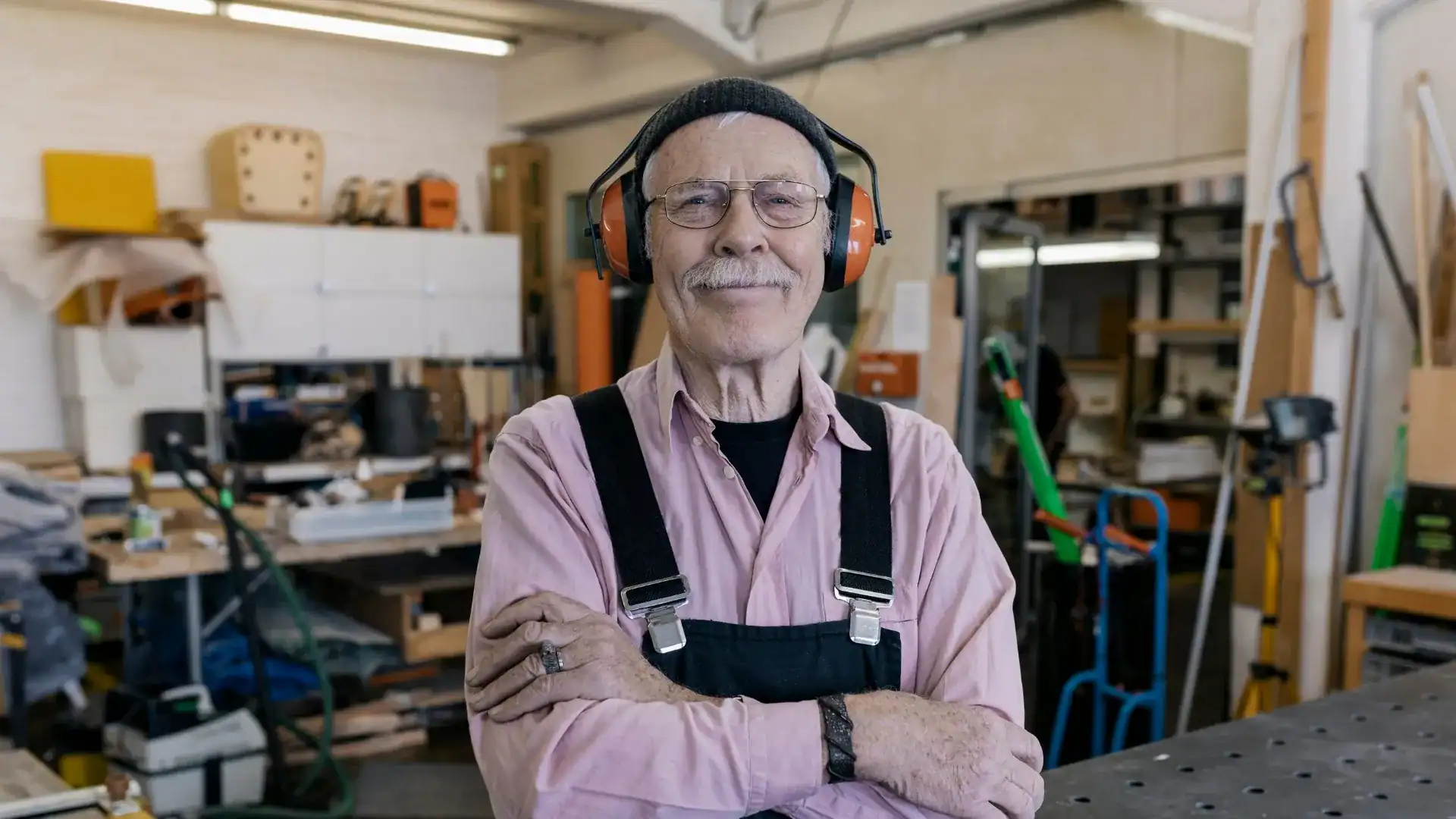
Ear protection plays a major role in hearing safety. Earplugs and earmuffs help reduce harmful sound levels in noisy settings. Some people avoid hearing protection because they believe it blocks all sound. Modern hearing protection products often reduce dangerous noise while still allowing conversations and important sounds to remain clear.
Custom-fit protection may provide greater comfort and better noise reduction for people regularly exposed to loud environments. (beverlyhillshearing.com)
Workers in loud industries should follow safety guidelines carefully and consistently use hearing protection. Even occasional exposure to machinery and equipment can affect hearing over time.
Recognizing Early Warning Signs
Many people wait too long before seeking help for hearing concerns. Recognizing early symptoms can lead to faster treatment and better hearing outcomes.
Common signs of hearing problems include:
- Ringing or buzzing in the ears
- Difficulty hearing conversations in noisy rooms
- Frequently increasing the television or phone volume
Tinnitus, often described as ringing in the ears, may develop after repeated exposure to noise. Early hearing evaluations can help identify changes before they become more serious.
Ignoring these warning signs may allow hearing difficulties to worsen. Early care can improve communication and overall quality of life.
How Healthy Lifestyle Choices Support Hearing
Overall wellness also affects hearing health. Good circulation helps deliver oxygen and nutrients to the inner ear. Healthy habits such as regular exercise, balanced nutrition, and avoiding smoking may support long-term hearing function.
Managing stress is important as well. High stress levels may increase awareness of tinnitus symptoms and make communication more difficult in noisy settings.
Sleep also plays a role in recovery. Rest allows the brain and body to process sounds more effectively and reduce fatigue caused by constant noise exposure.
Building Long-Term Hearing Awareness
Protecting hearing should become part of everyday health care, just like protecting vision or maintaining dental health. Many people do not think about hearing until problems appear, but prevention is often much easier than treatment.
Parents can teach children safe listening habits early in life. Employers can encourage hearing safety in noisy workplaces. Individuals can make small daily adjustments that lower noise exposure and reduce future risks.
Regular hearing evaluations are another important step. A hearing health professional can monitor hearing changes, answer questions, and recommend solutions based on individual needs.
In today’s noisy world, hearing protection matters more than ever. By practicing safe listening habits and staying aware of potential risks, people can protect their hearing and continue enjoying conversations, music, and daily life for years to come.